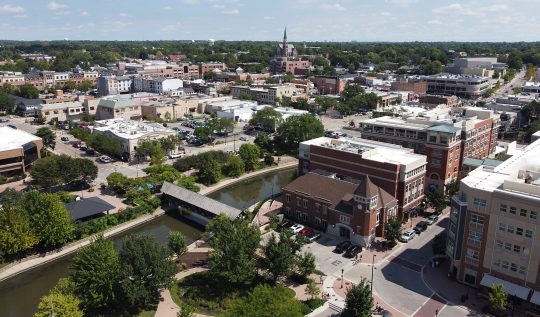
Wheaton Property Taxes 2026: Rate, Bill & Exemptions
Wheaton property taxes explained: the effective rate (~2%), the typical bill, how DuPage builds it, the exemptions that lower it, and how it compares to nearby towns.
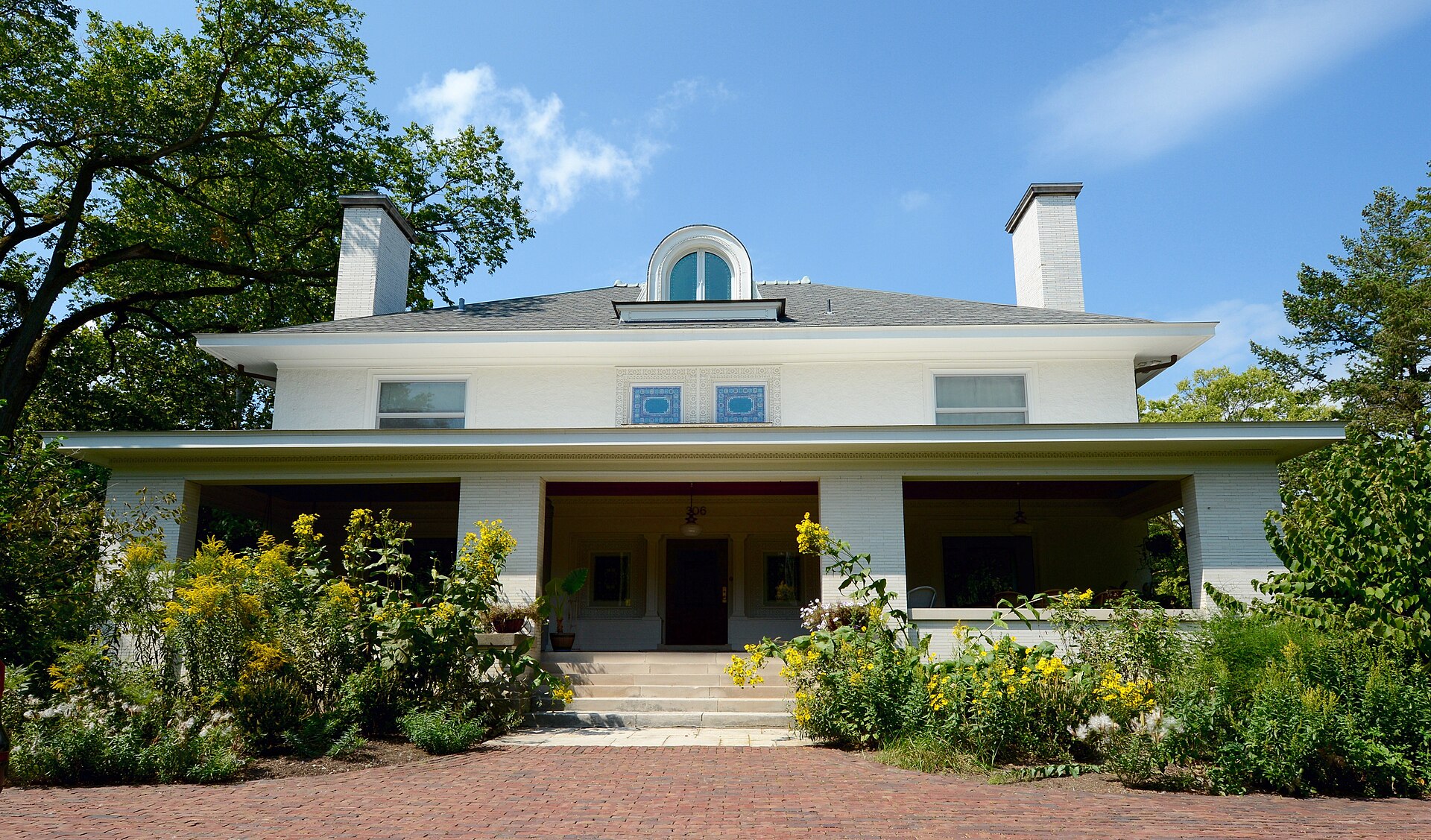
Hinsdale Property Taxes 2026: Rate, Bill & What to Know
Hinsdale property taxes explained: the effective rate (~2.2%, up from 1.8% in 2016), the median bill, how DuPage builds it, the exemptions, and the small Cook County sliver to watch.

Glen Ellyn Property Taxes 2026: Rate, Bill & Exemptions
Glen Ellyn property taxes explained: the real effective rate (~2.38%), the median bill, how DuPage builds it, the exemptions that lower it, and how it compares to nearby towns.
Property Taxes by Town: Chicago Western Suburbs Compared (2026)
Property taxes by town across Chicago’s western suburbs, ranked: effective rates and the real bill on a $1M home, from Oak Brook (lowest) to La Grange. DuPage vs. Cook, side by side.
DuPage vs. Cook County Property Taxes: The Real Difference (2026)
DuPage vs. Cook County property taxes explained: why Cook’s 10% assessment isn’t the bargain it looks like, how the equalizer works, and which western suburbs sit in which county.
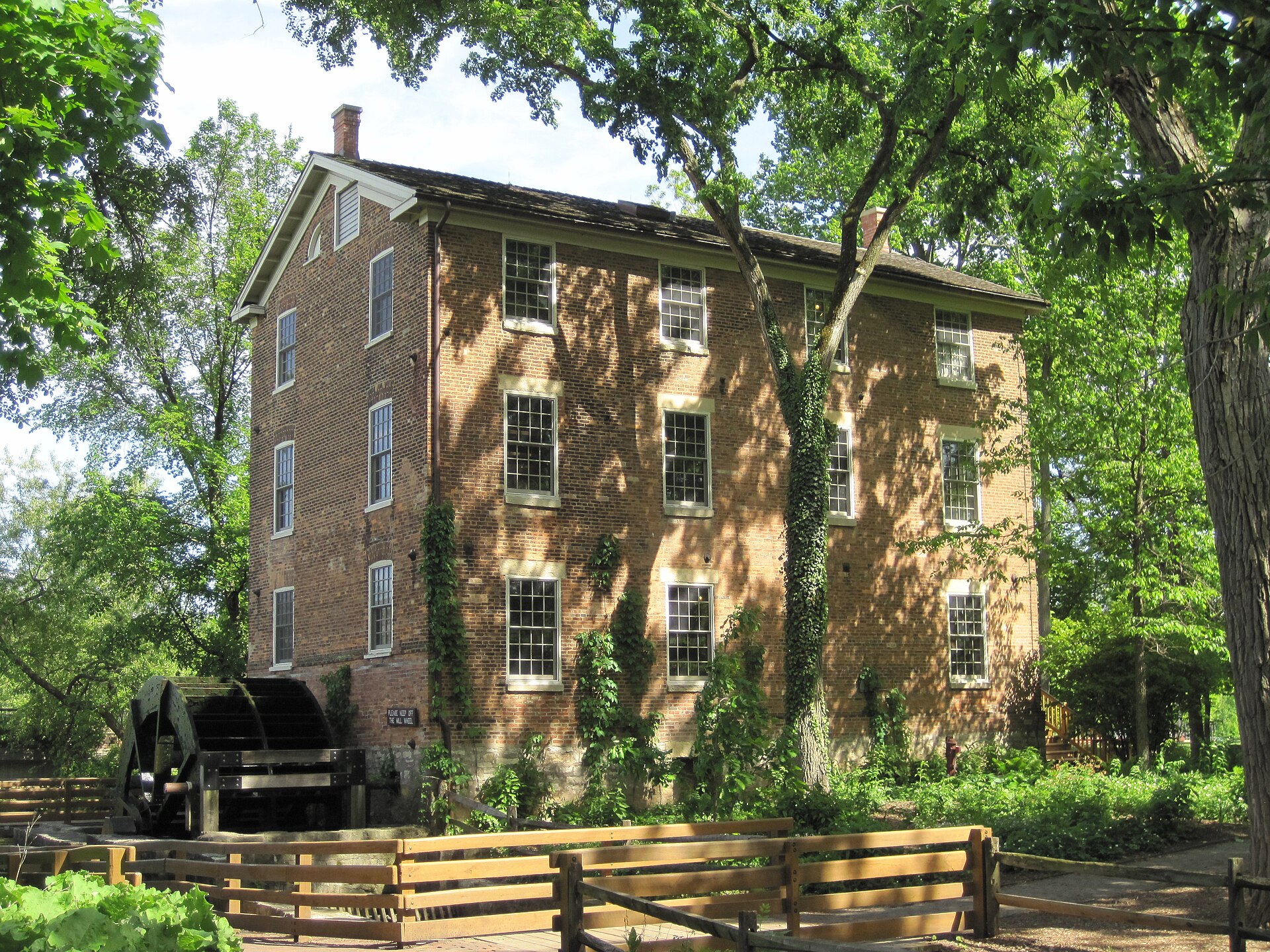
Why Are Oak Brook’s Property Taxes So Low? The $0 Village Levy (2026)
Oak Brook has the lowest property taxes in DuPage County. Here’s why: a $0 village tax levy funded by Oakbrook Center sales tax. What it really saves you, and the catch most buyers miss.
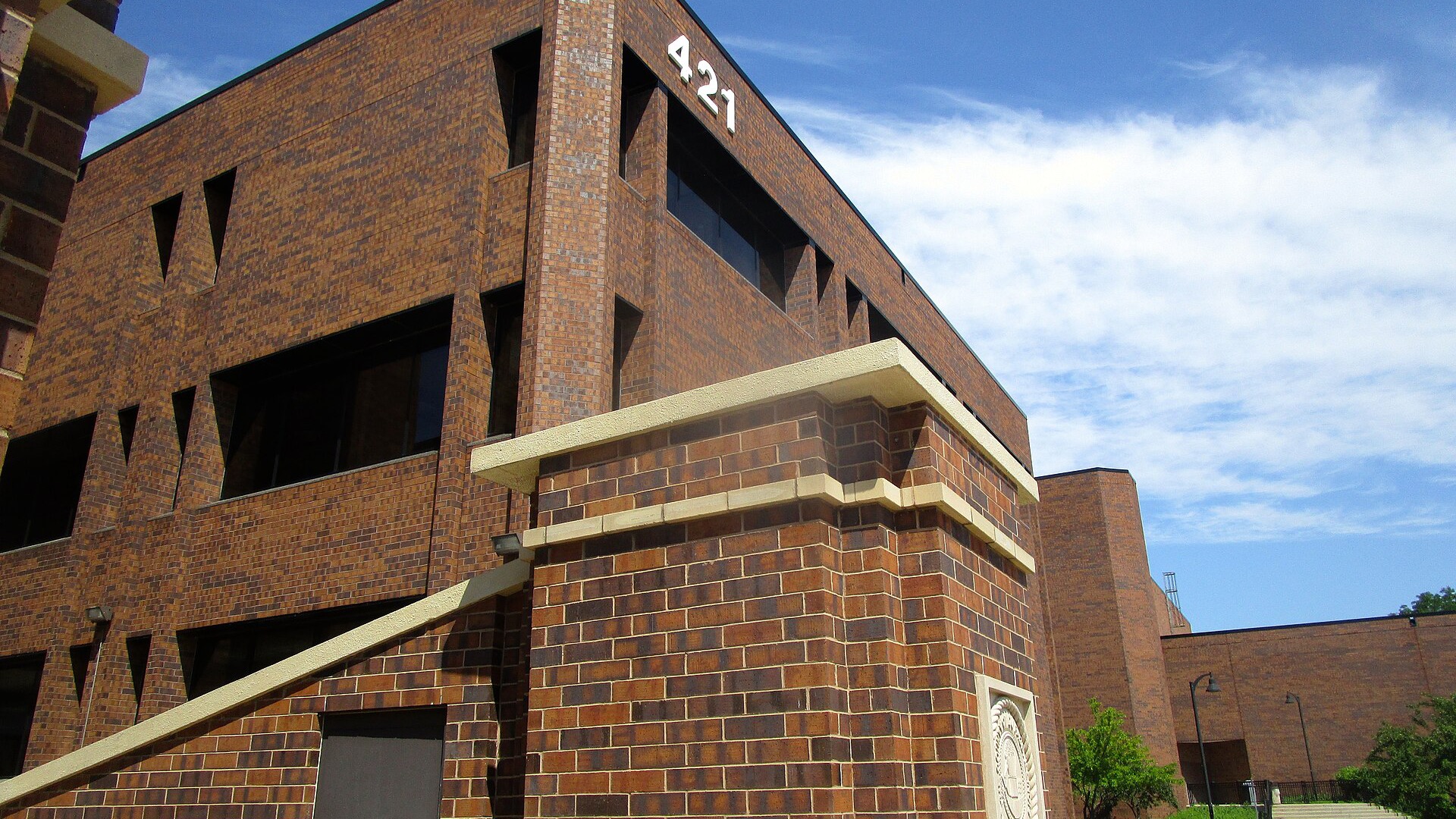
Elmhurst Property Taxes 2026: Why the Rate Is Low (But the Bill Isn’t)
Elmhurst’s effective tax rate runs ~1.8–1.9%, below the DuPage and Illinois averages, thanks to a big commercial base. But high home values keep the dollar bills sizable.

Burr Ridge Property Taxes 2026: DuPage vs. Cook County Rates
Burr Ridge straddles DuPage and Cook counties, so identical homes can carry different tax bills. The real effective rates (~1.7–1.9%), how they compare, and the exemptions.
Clarendon Hills Property Taxes 2026: Real Rate & Exemptions
Clarendon Hills property taxes: the real effective rate (~2%), how DuPage builds your bill, how it compares to Hinsdale, the exemptions to claim, and what you’ll pay.
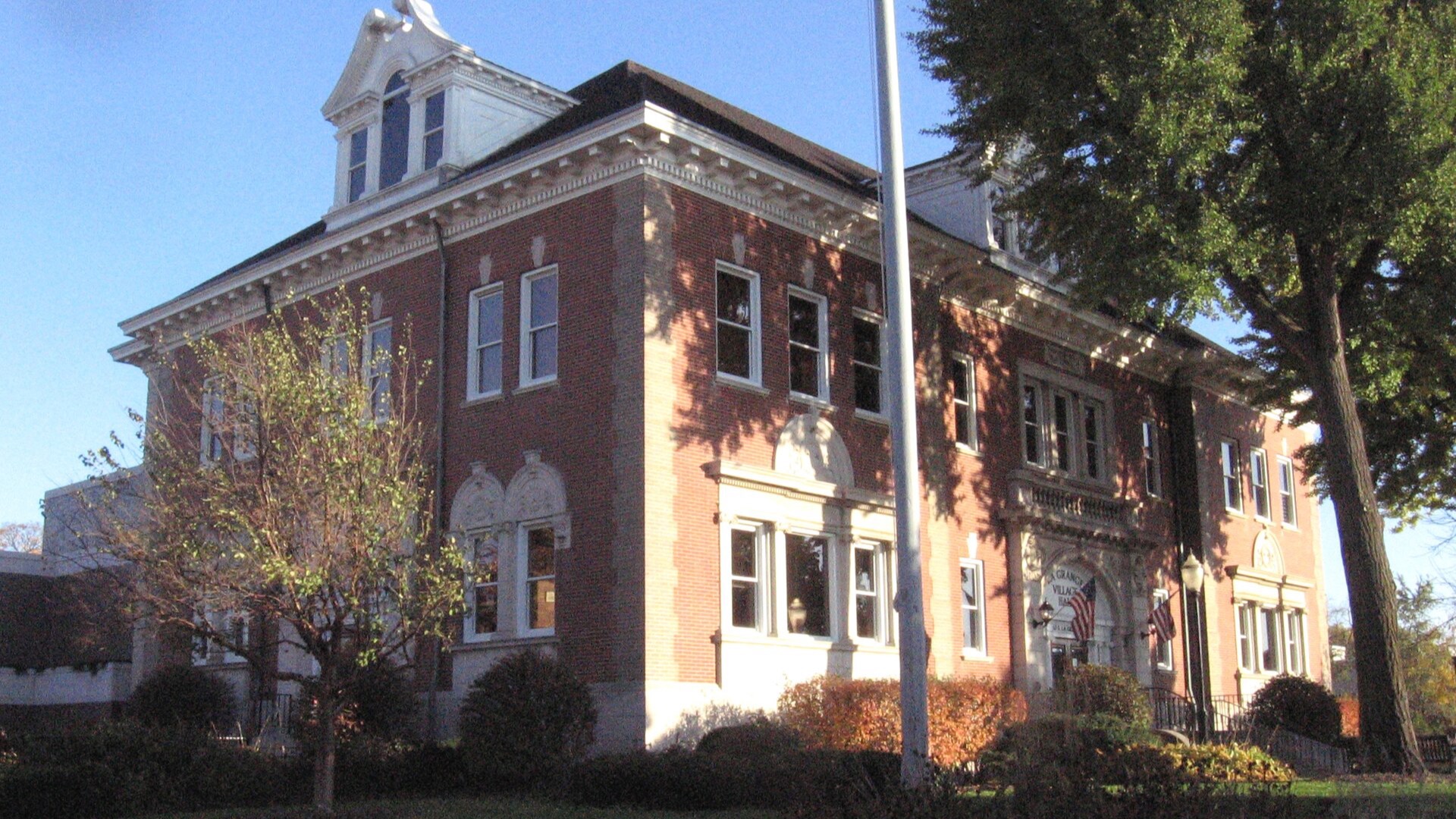
La Grange Property Taxes 2026: The Cook County Rate Explained
La Grange is in Cook County, so its tax math differs from DuPage. The 10% assessment, the equalizer, the real effective rate (~2.3%), exemptions, and what you’ll pay.